Fieldwork: Soils Investigation in Chicago and the Calumet
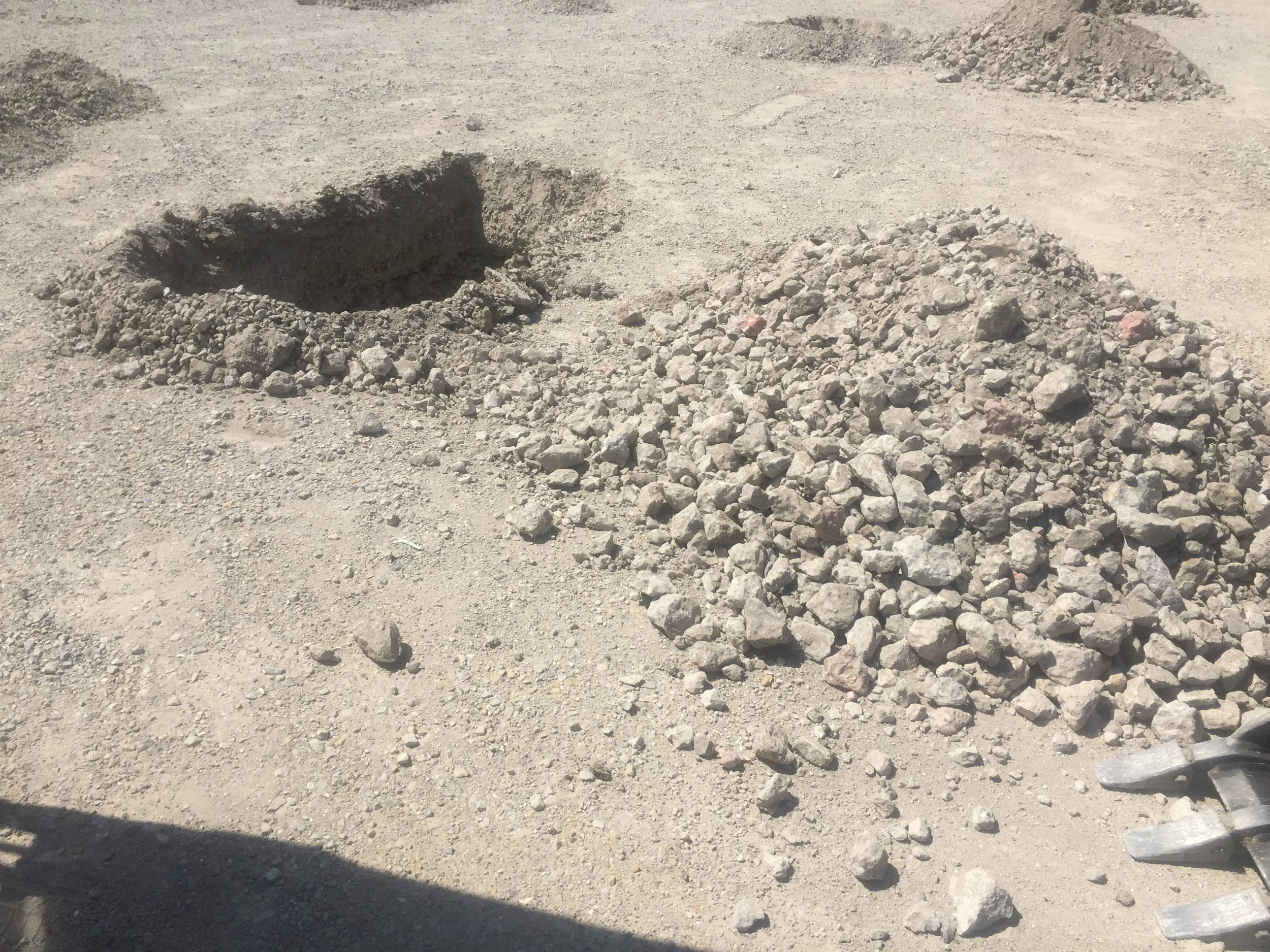
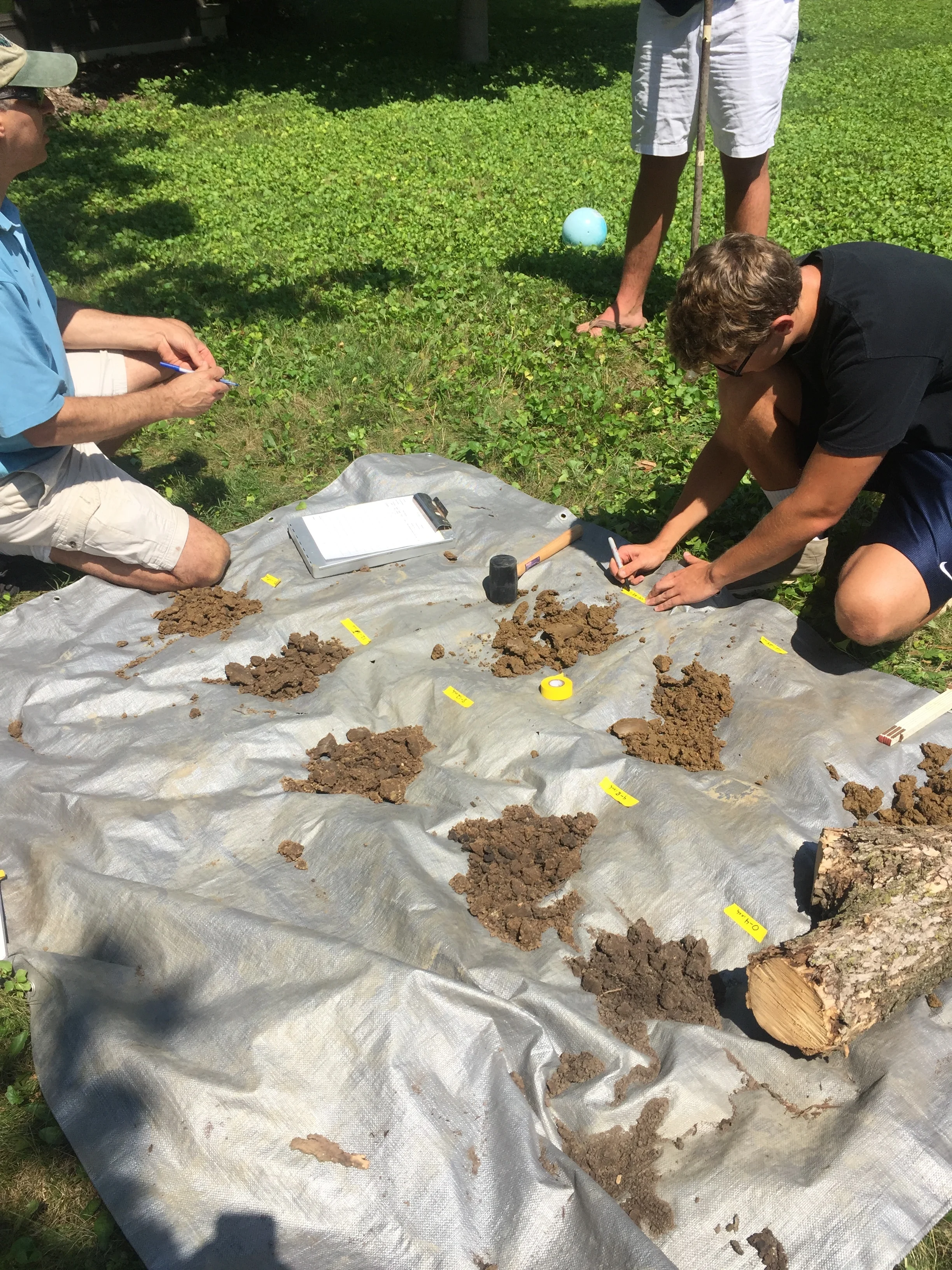
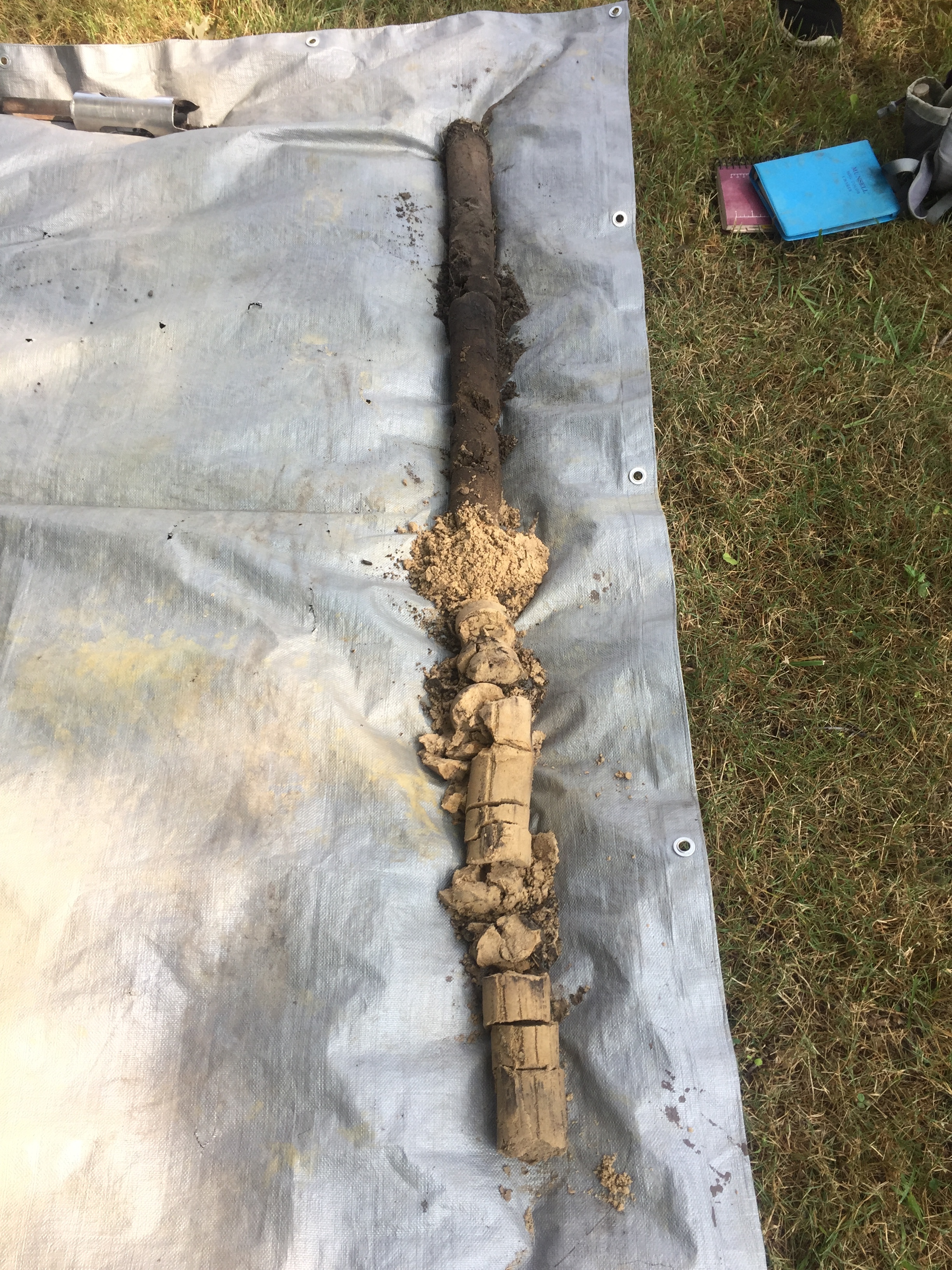
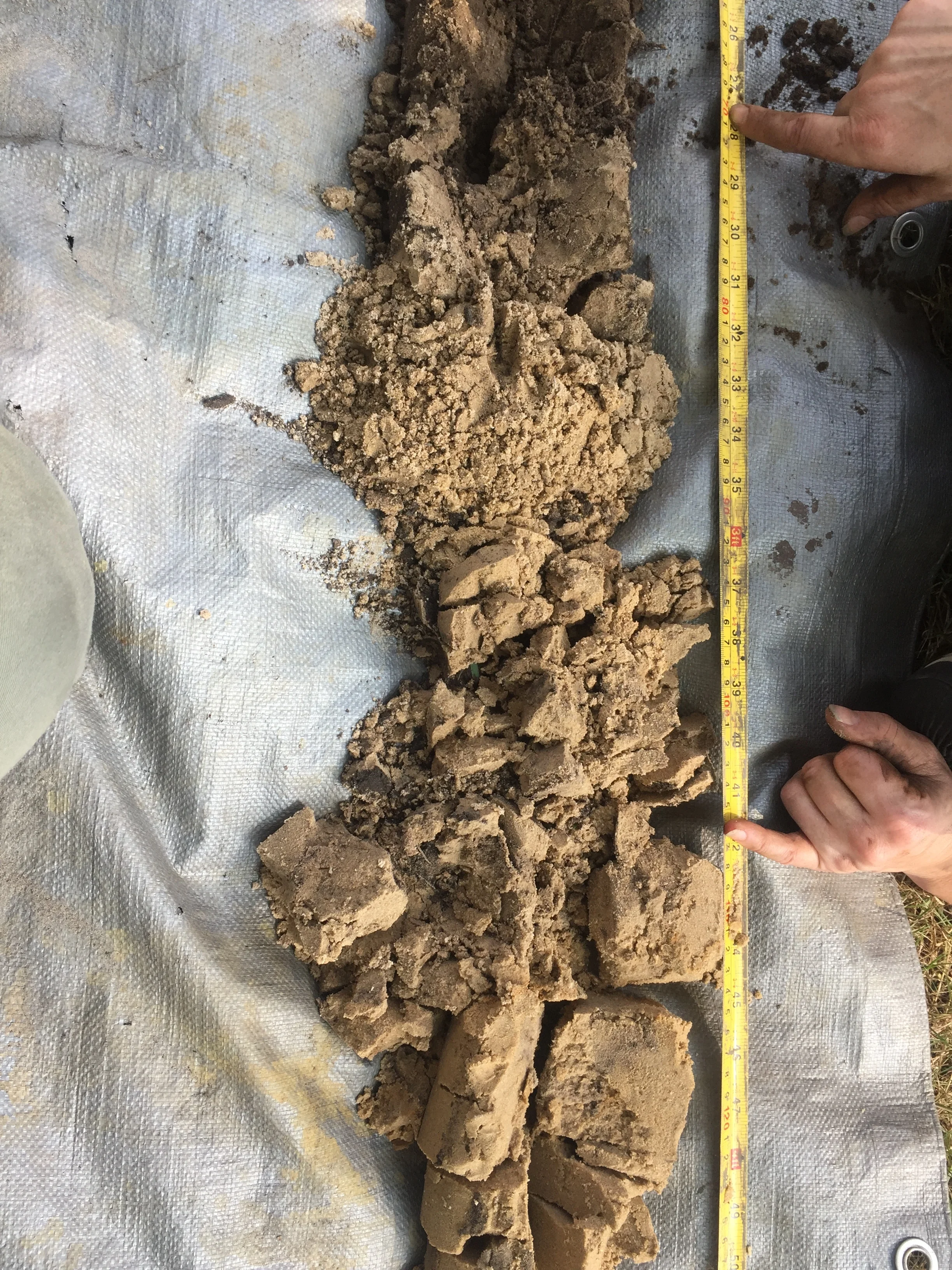
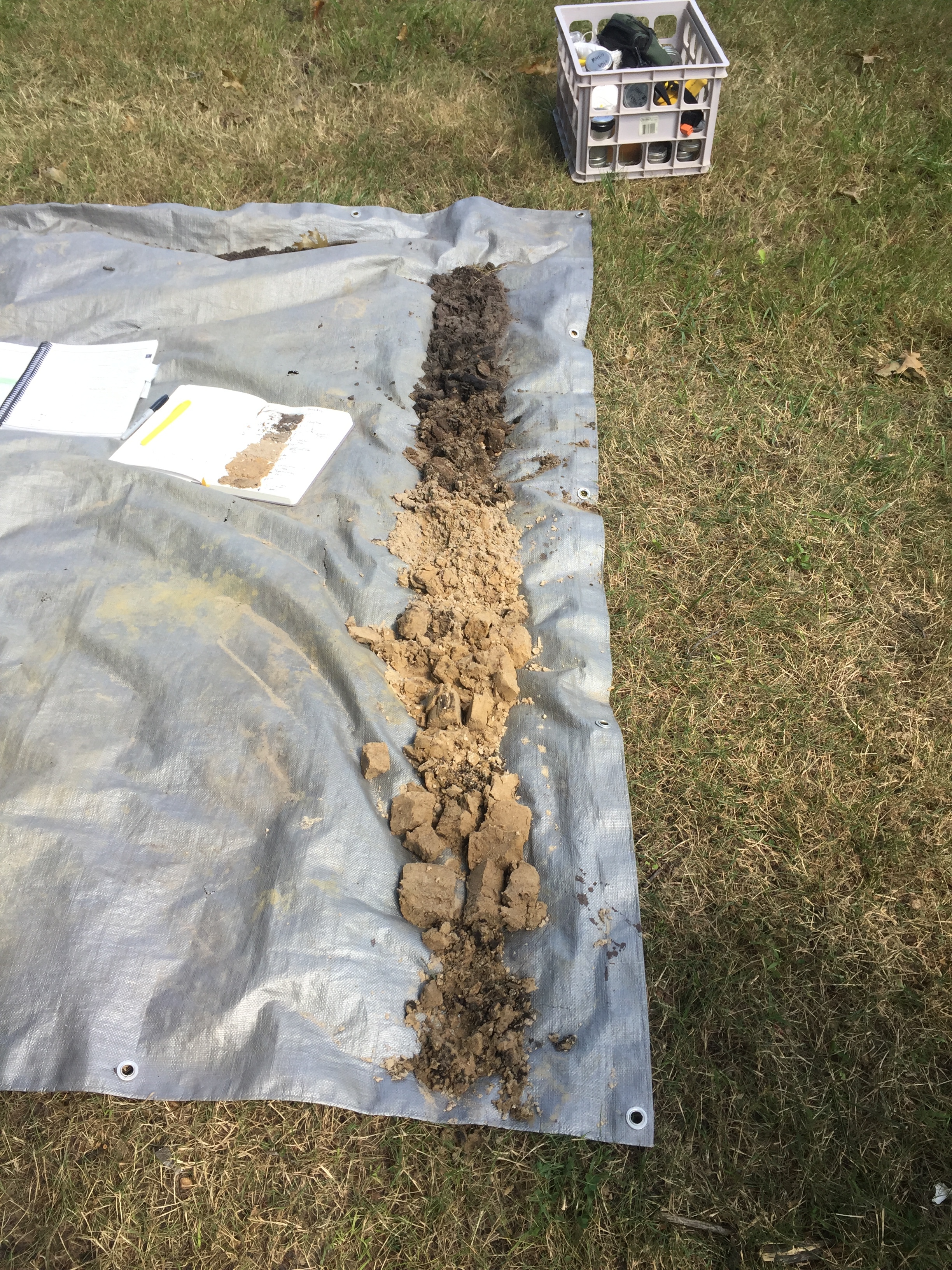
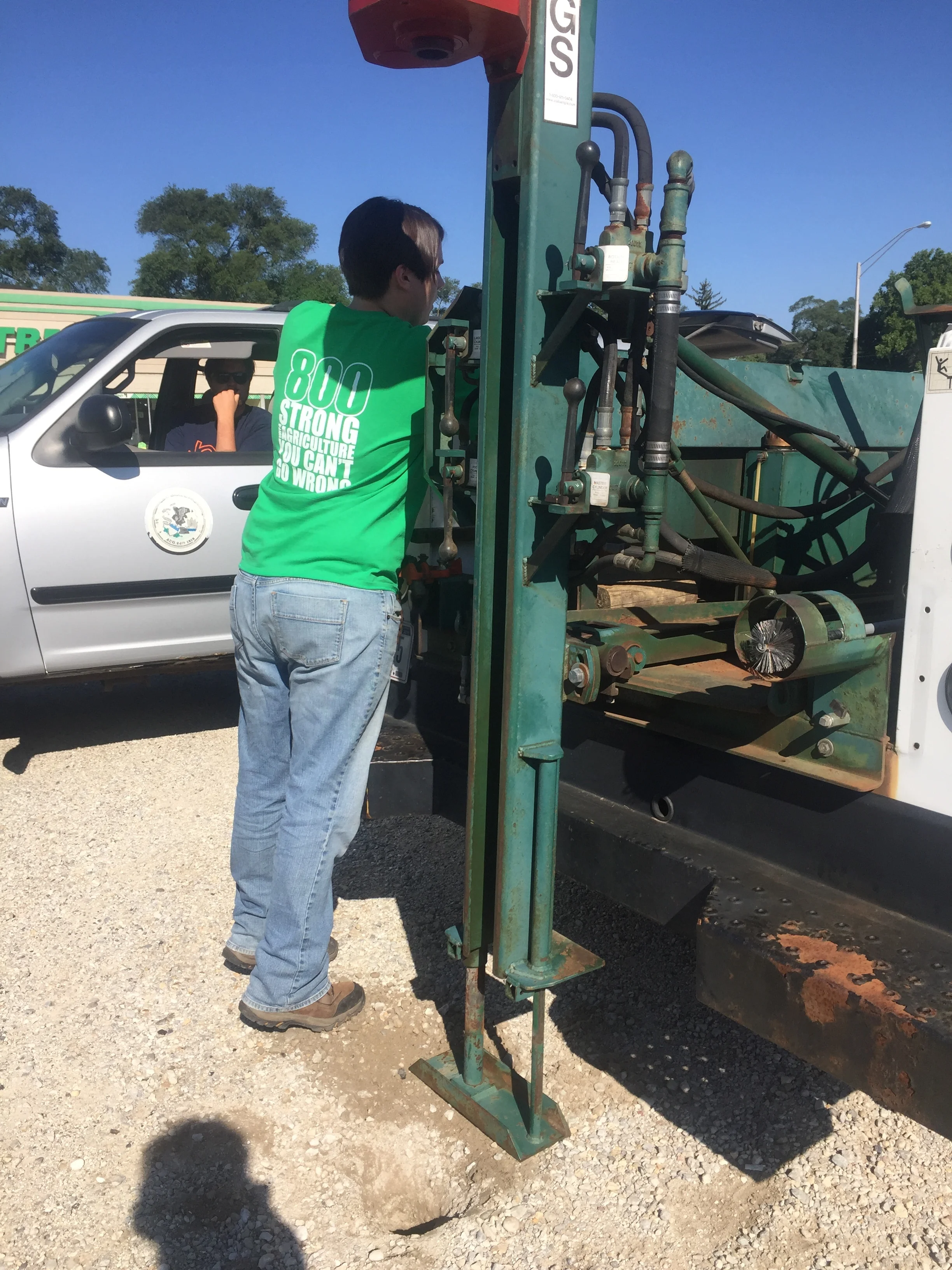
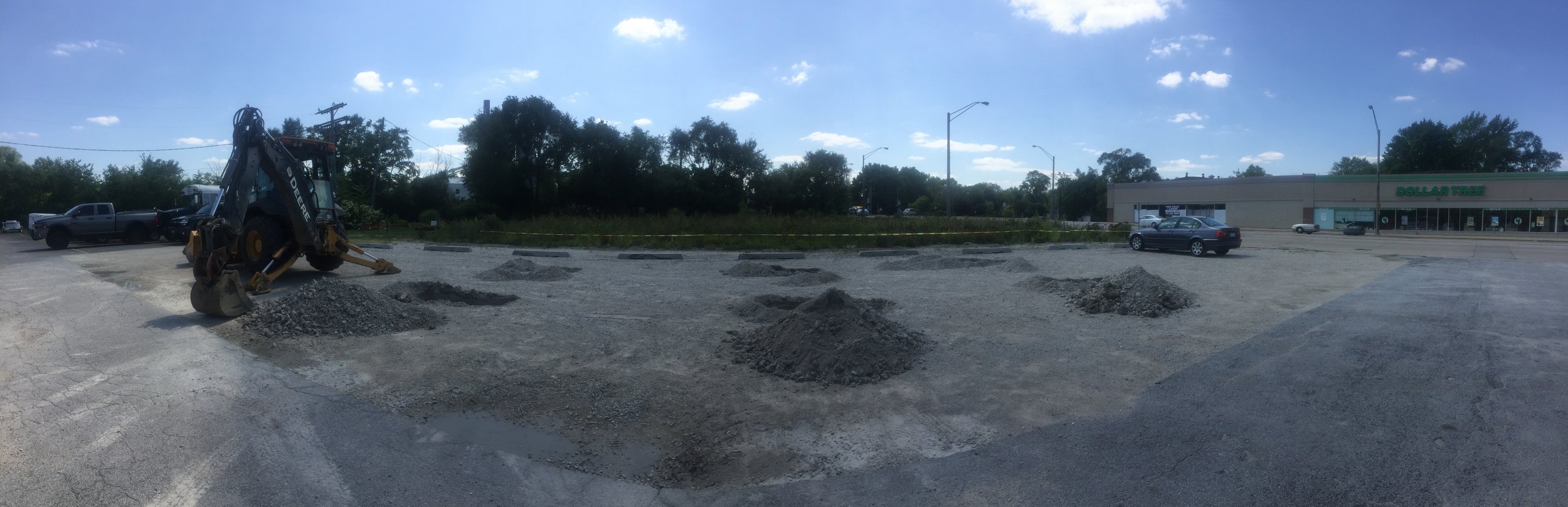
Parking Lot excavation, Village of Midlothian, June 2018
A major misunderstanding of the Chicago-Calumet region has to do with the soils under the city. The soils of the region have been wholesale lumped into the category of “blue clay” - the infamous moniker of a hard impervious, impenetrable soil composed of glacial till (mixed texture soil) , on which the City is constructed. But, this is not the case. - Our team, led by quaternary geologists has been ‘unearthing’ the history of soils maps, soil borings, and water well and engineering reports to assemble a story of the geologic history of the region, and to characterize the soils there today. The land area inside the terminal moraine (the topographic edge of the Great Lakes basin) has a 14,000 year land development history—a story of glacial retreat, glacial lake plains, lake bottoms, and coastal formation—that is all composed of a wide diversity of soil types and textures from clayey loam in the lake bottom depressional areas to coarse sands and gravels in the former beach ridges and dune-swale locations. The patterns of these soils reveals a fascinating glaciated landscape history.
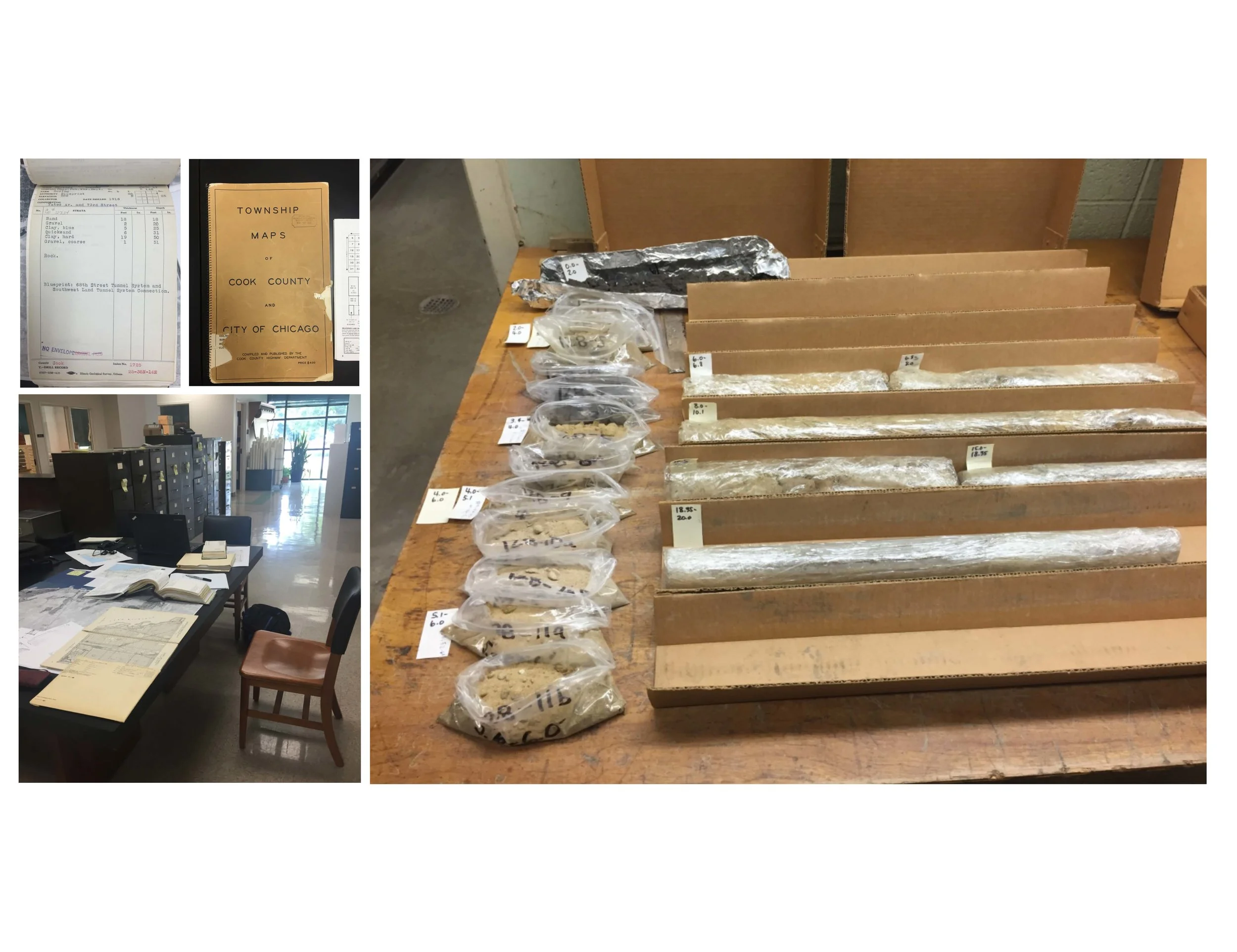
In Summer 2016, we received funding from Wright Ingraham Institute and a matching grant from the College of Fine & Applied Arts (UIUC) to study soils, using the Geologic Records Unit at Prairie Research Institute at University of Illinois.
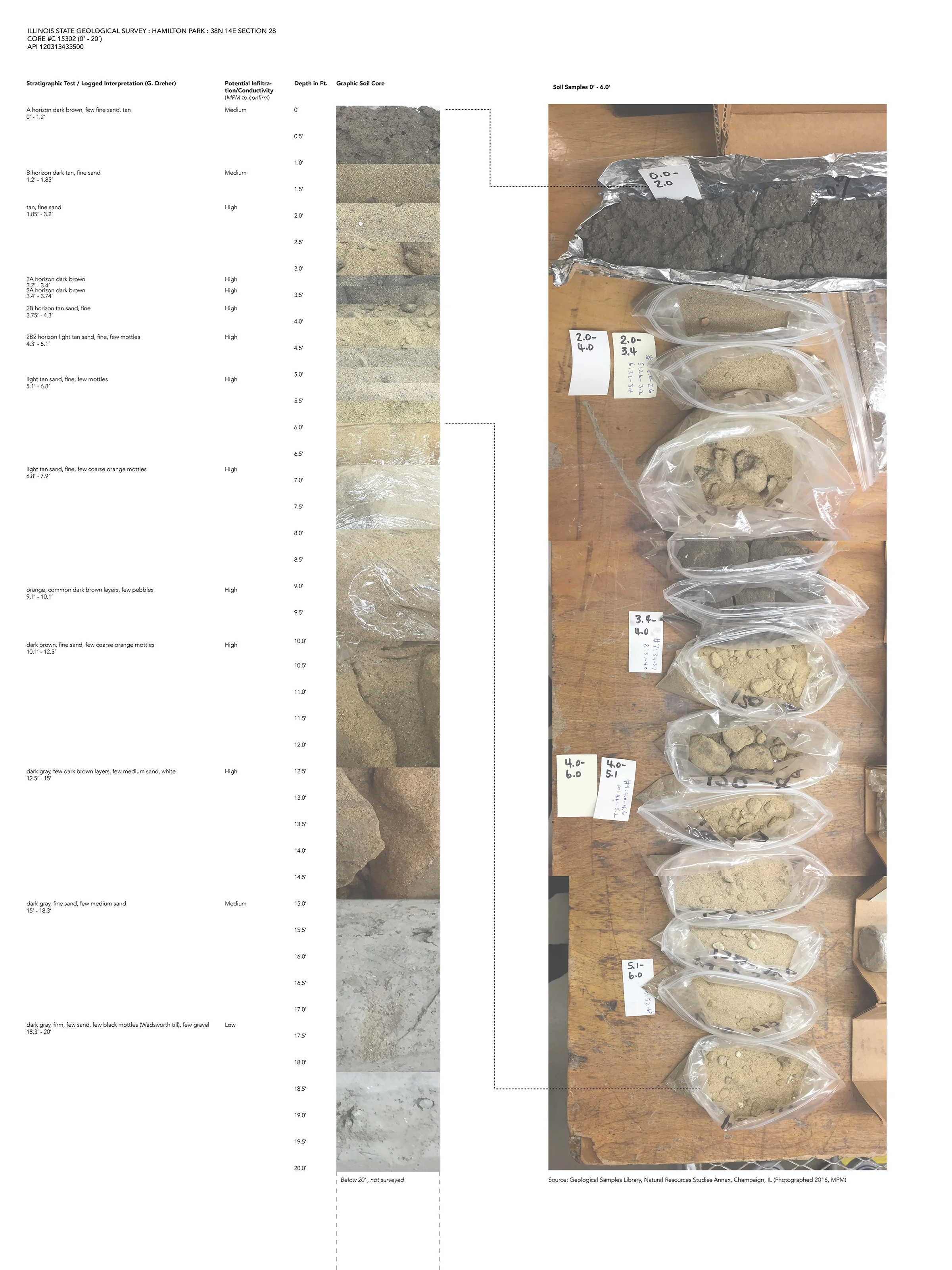
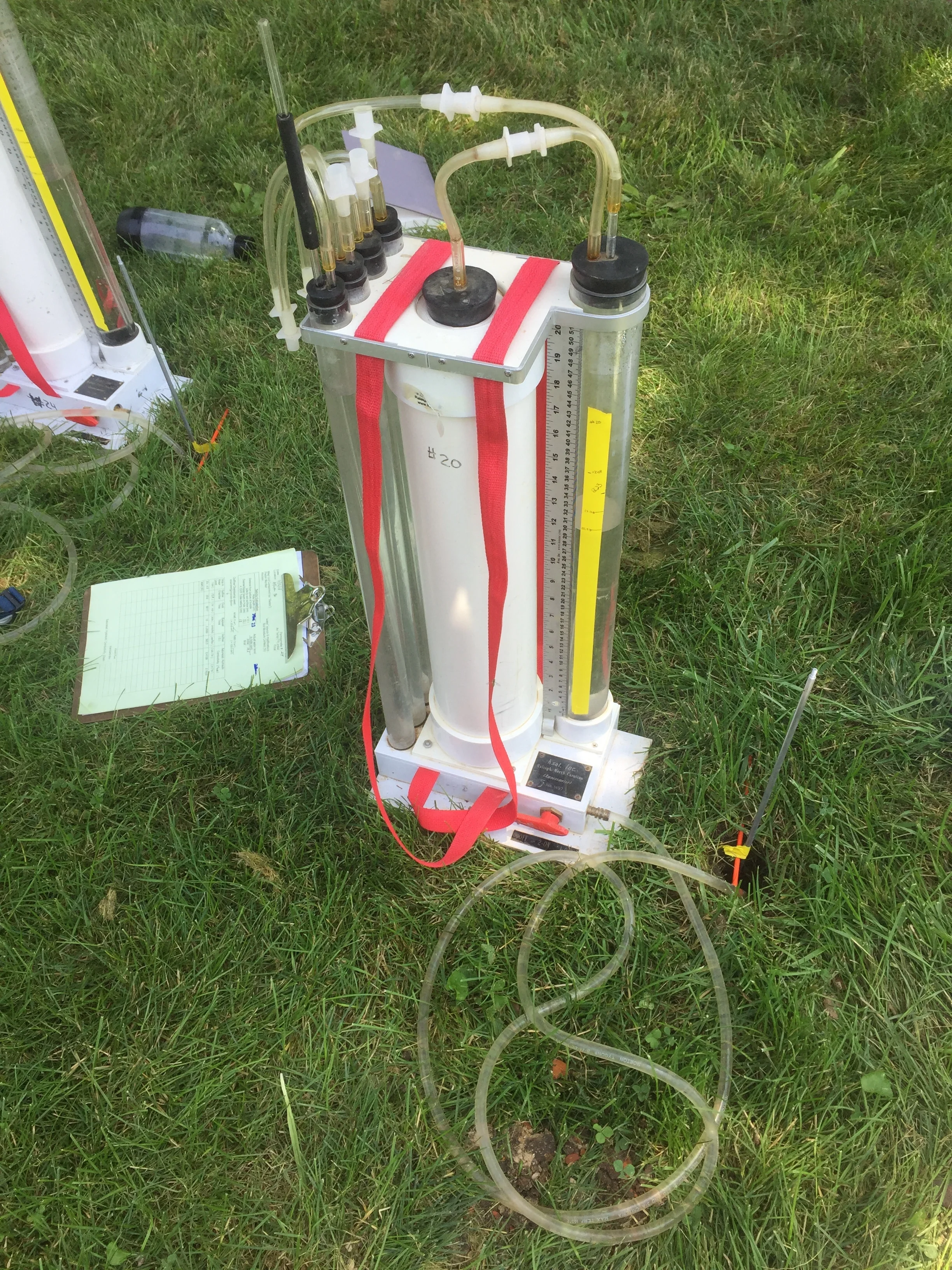
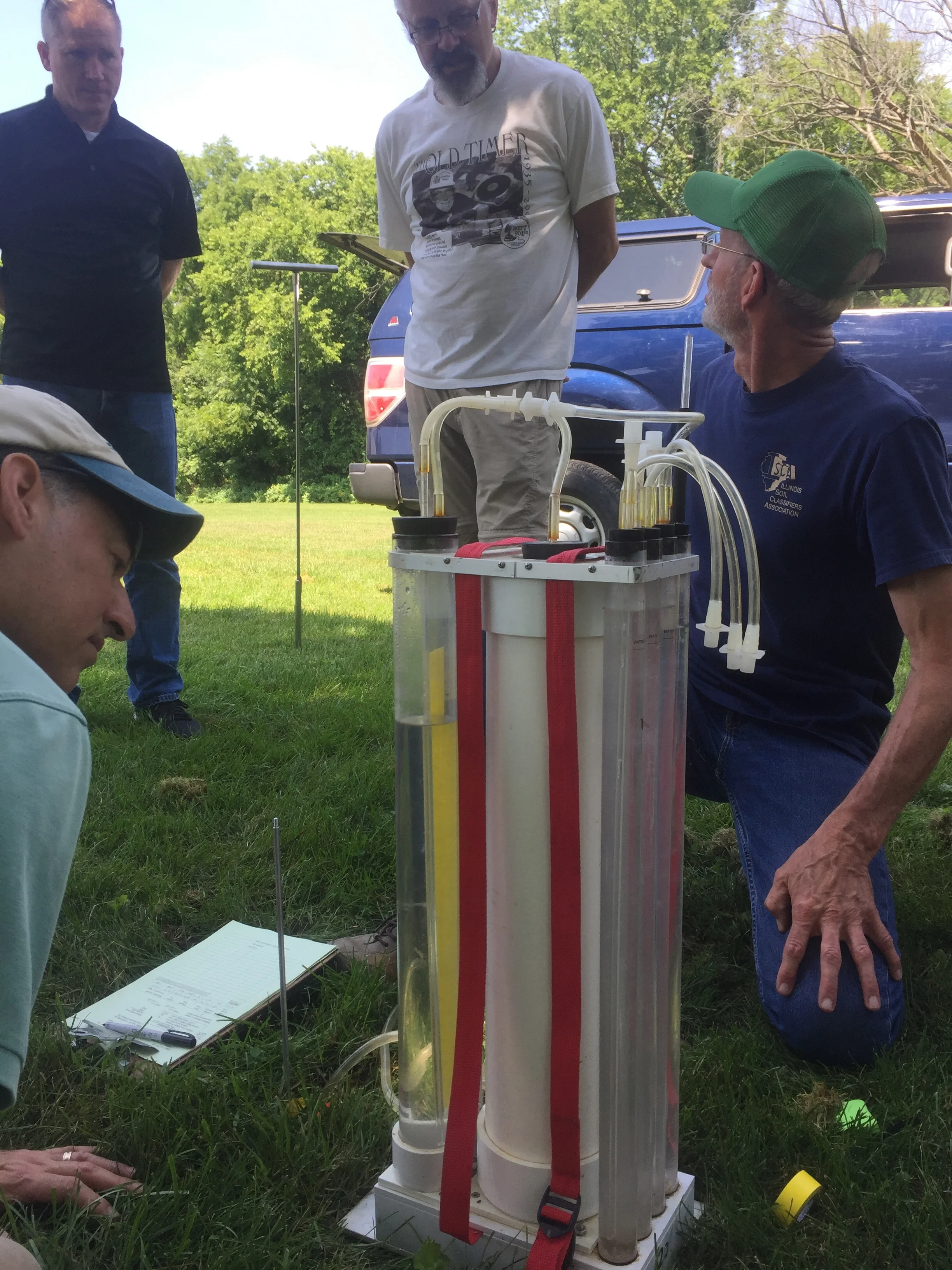
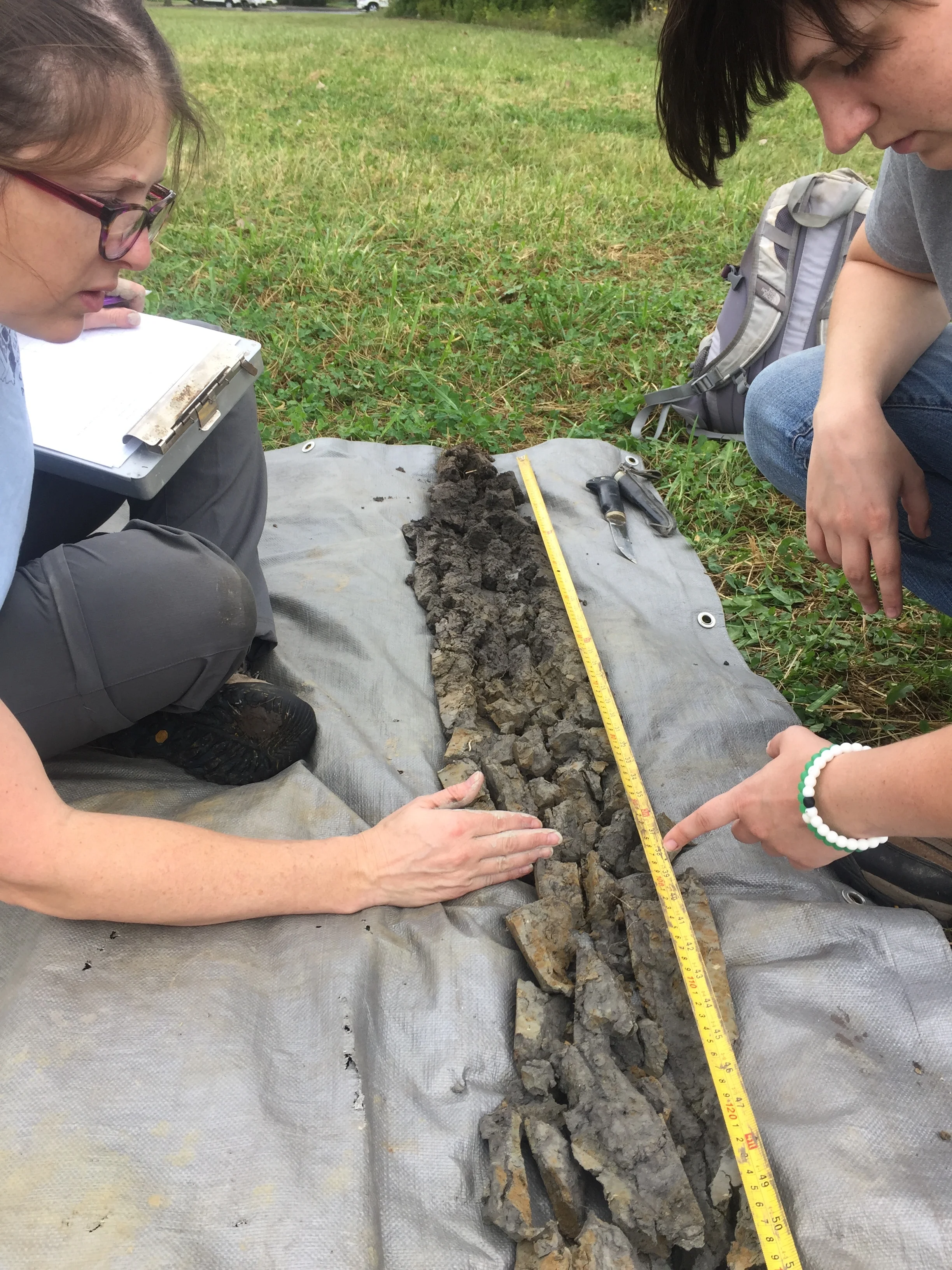
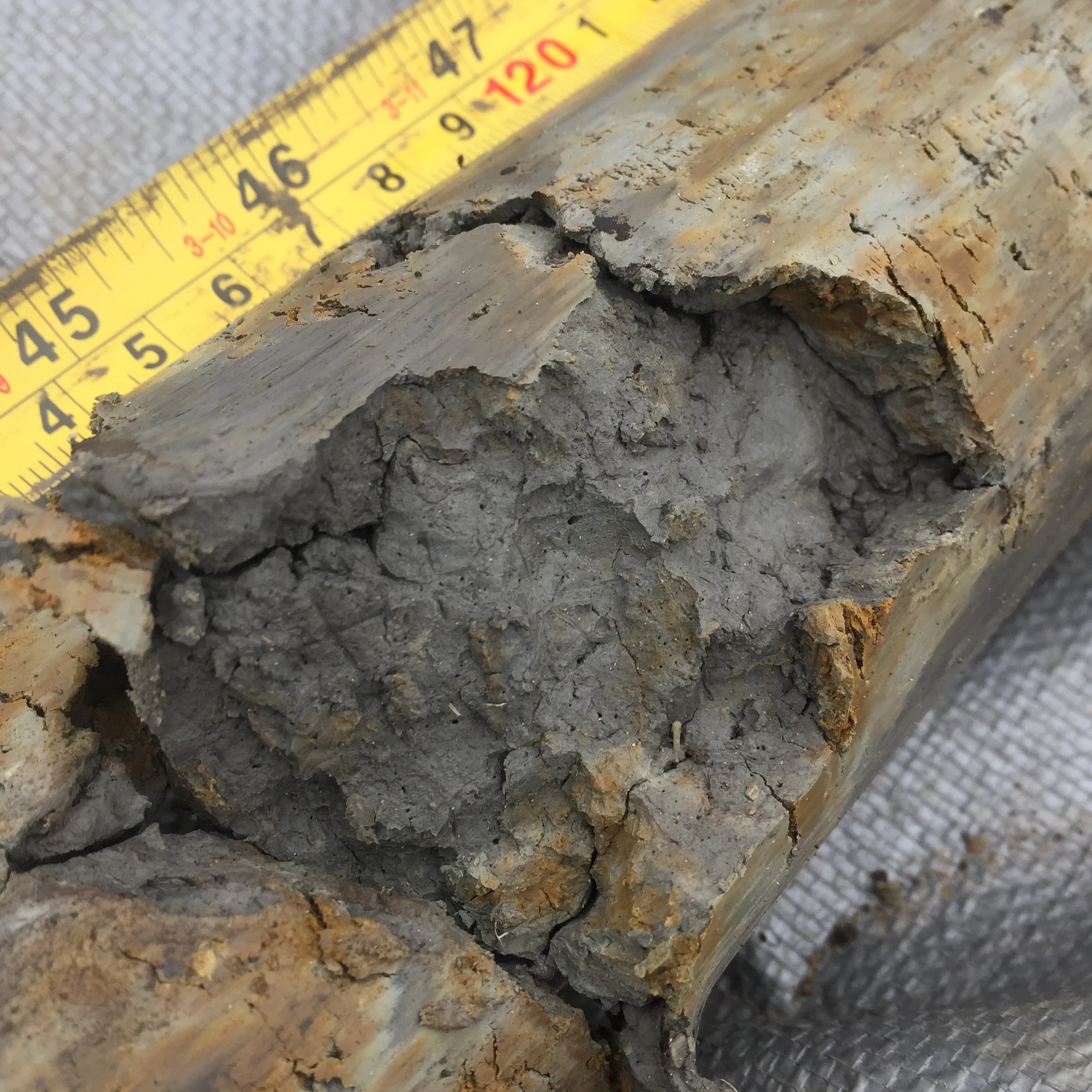
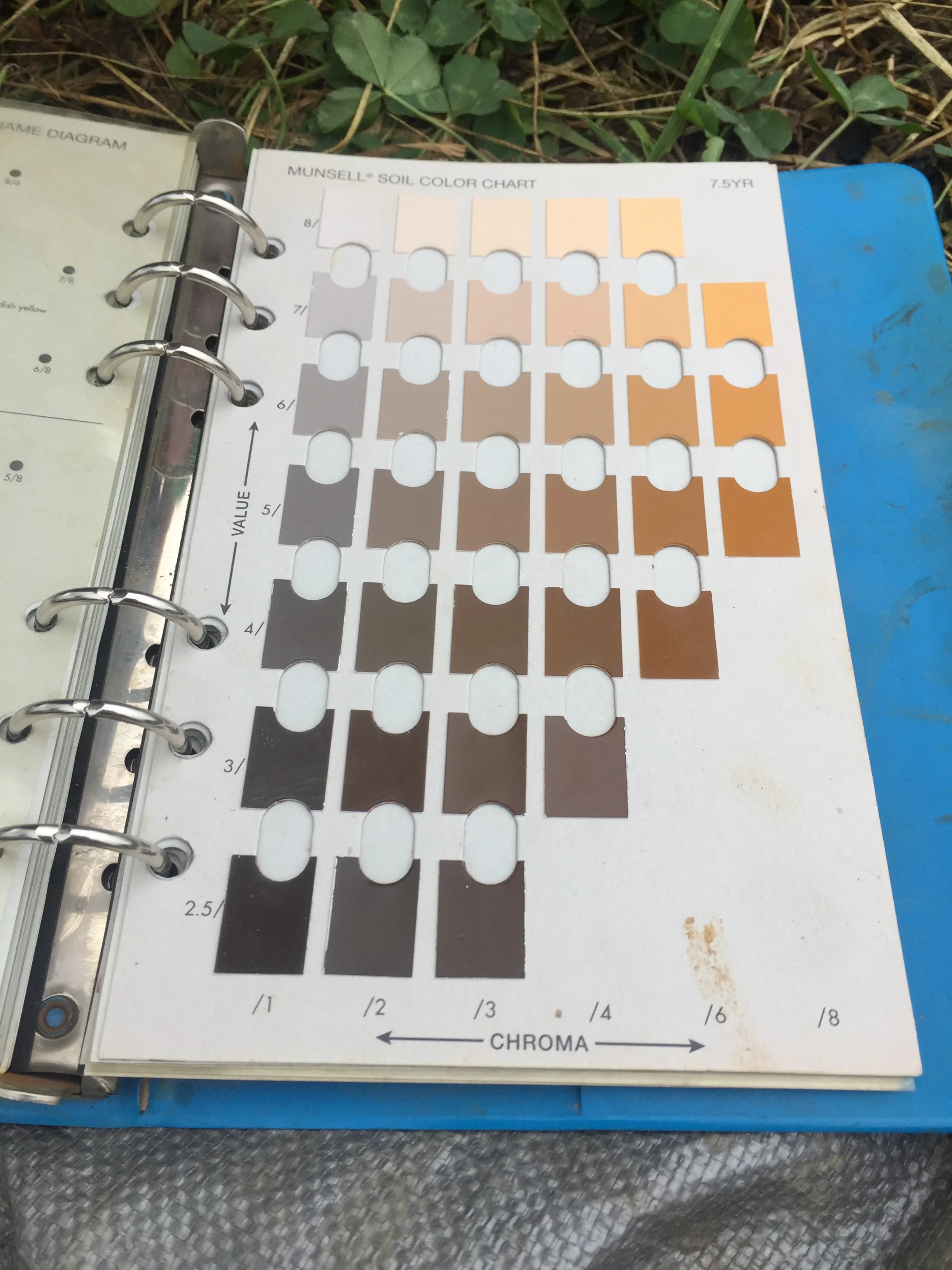
Funded by an IL/In Sea Grant, in 2018 we investigated soils in the Calumet Corridor to help us study the role of geological soils in green stormwater design. We’re identifying how these diverse soils to alleviate flooding and to sponging and infiltration.
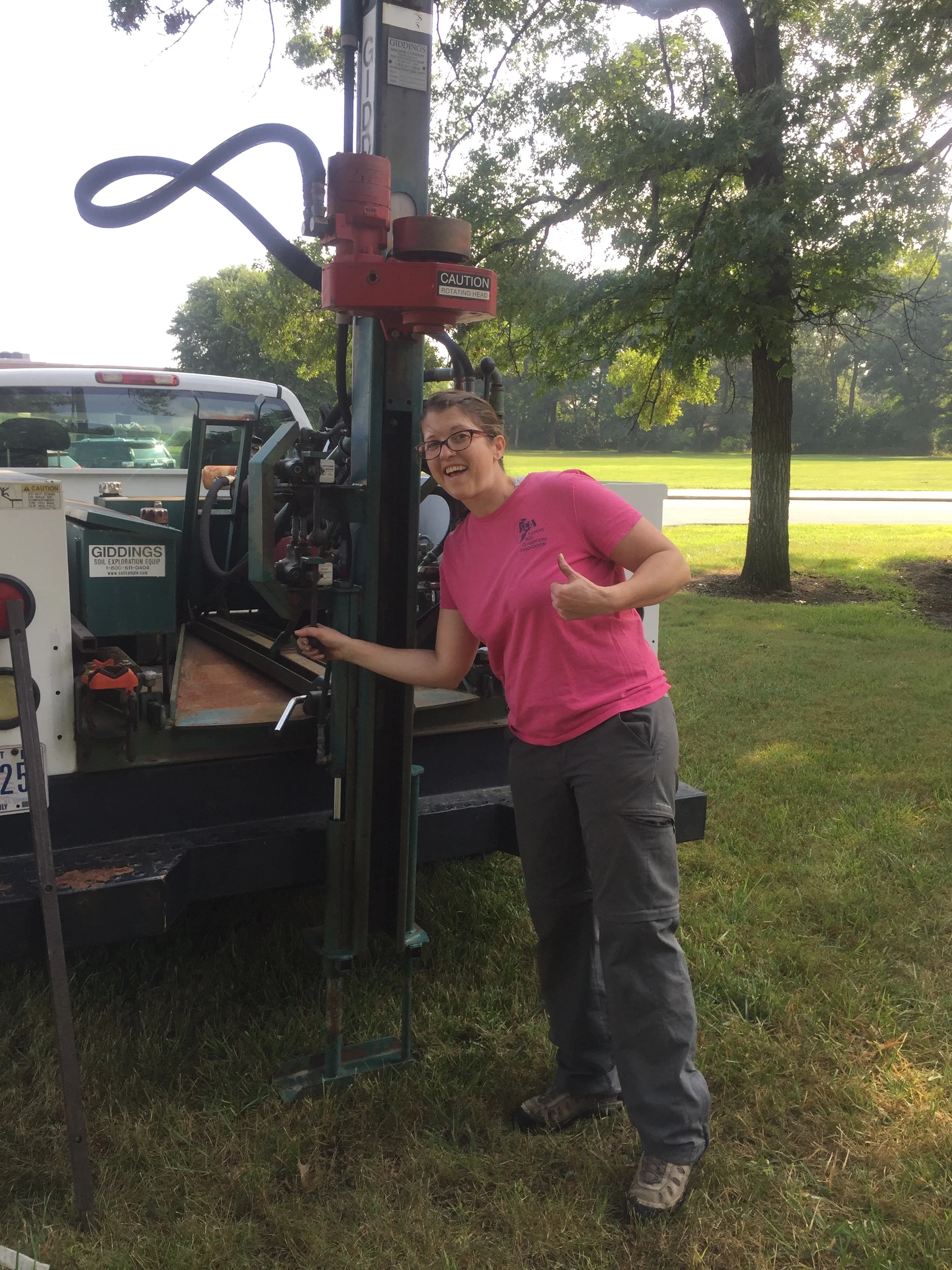
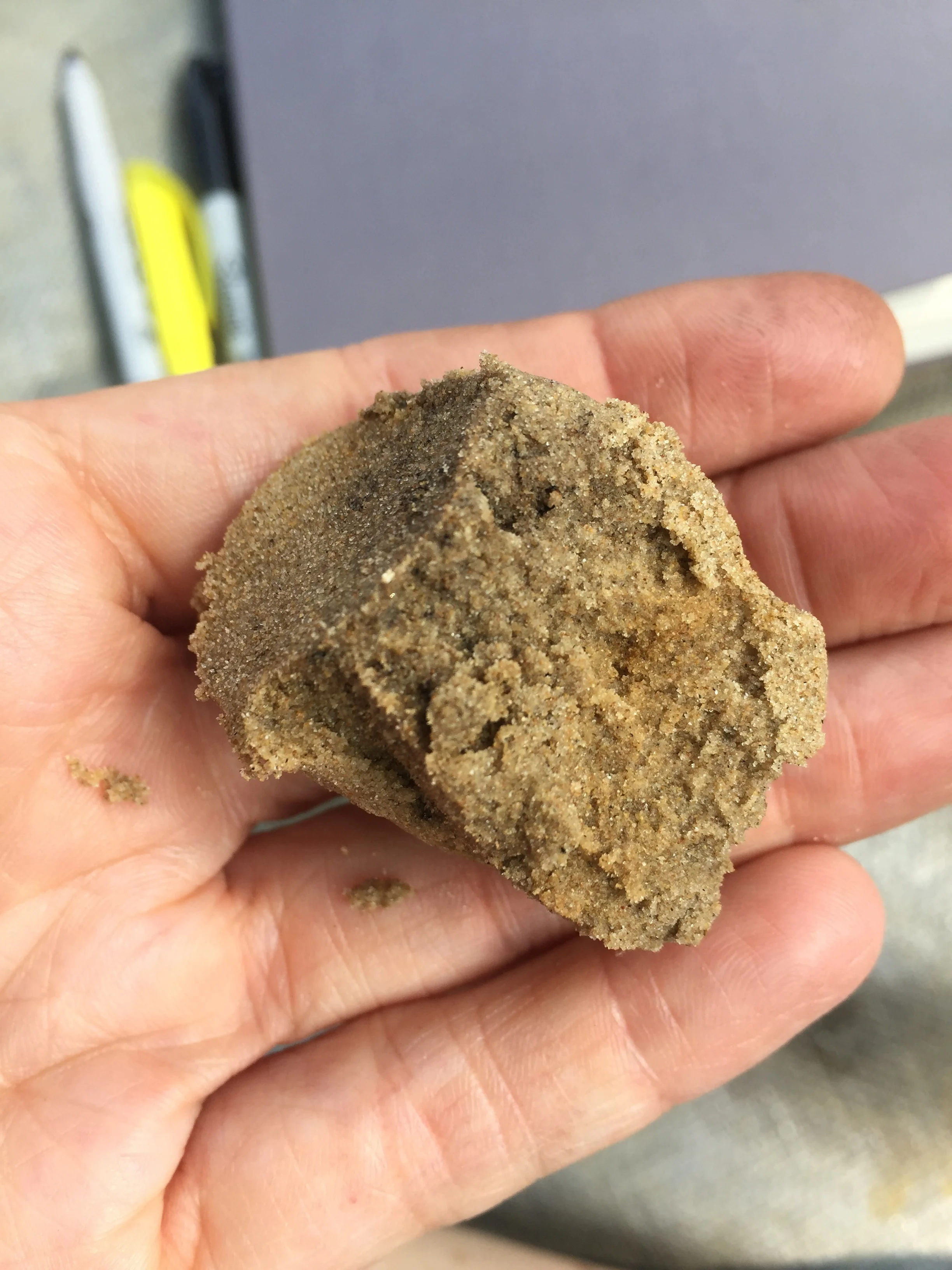
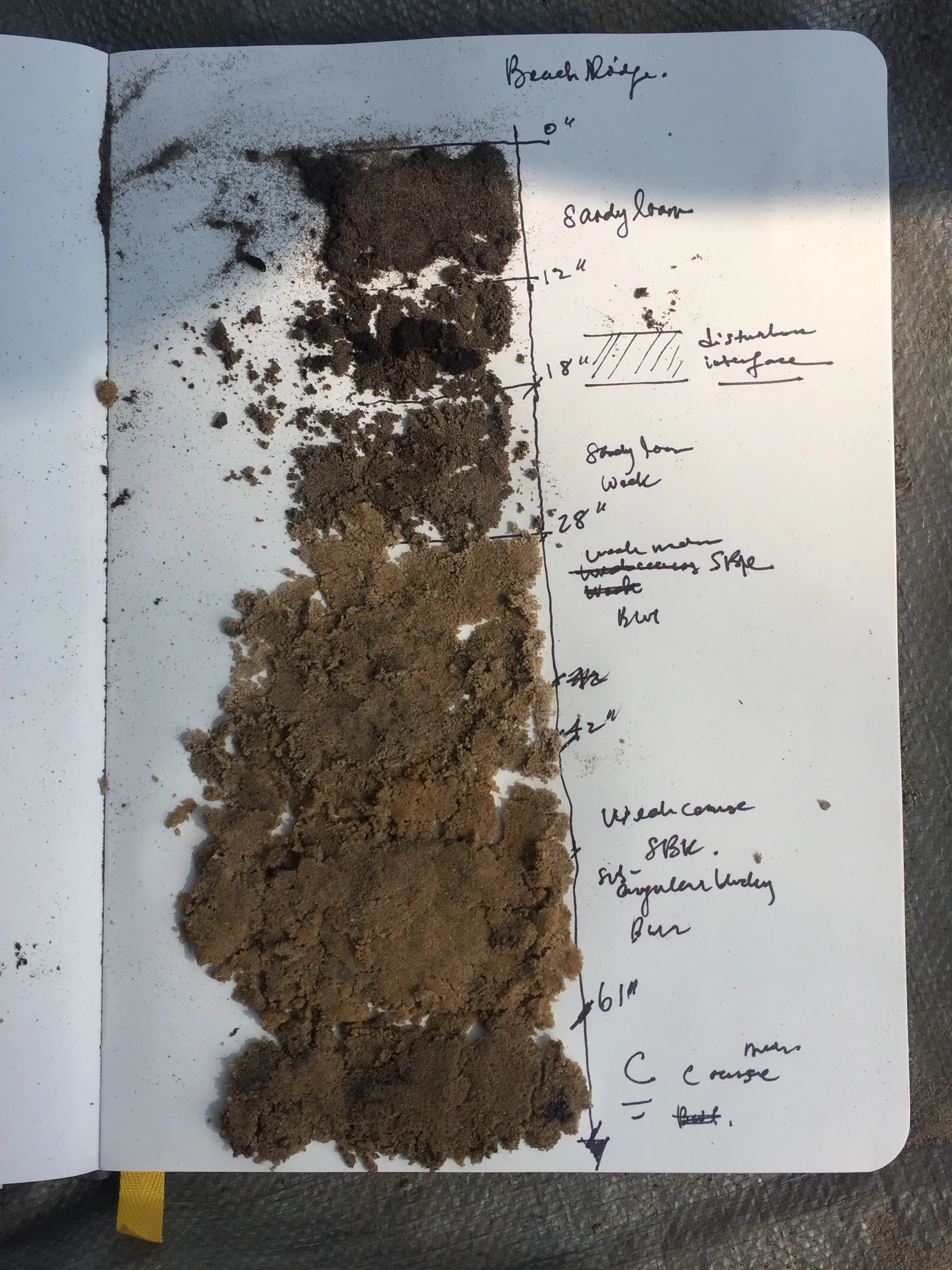
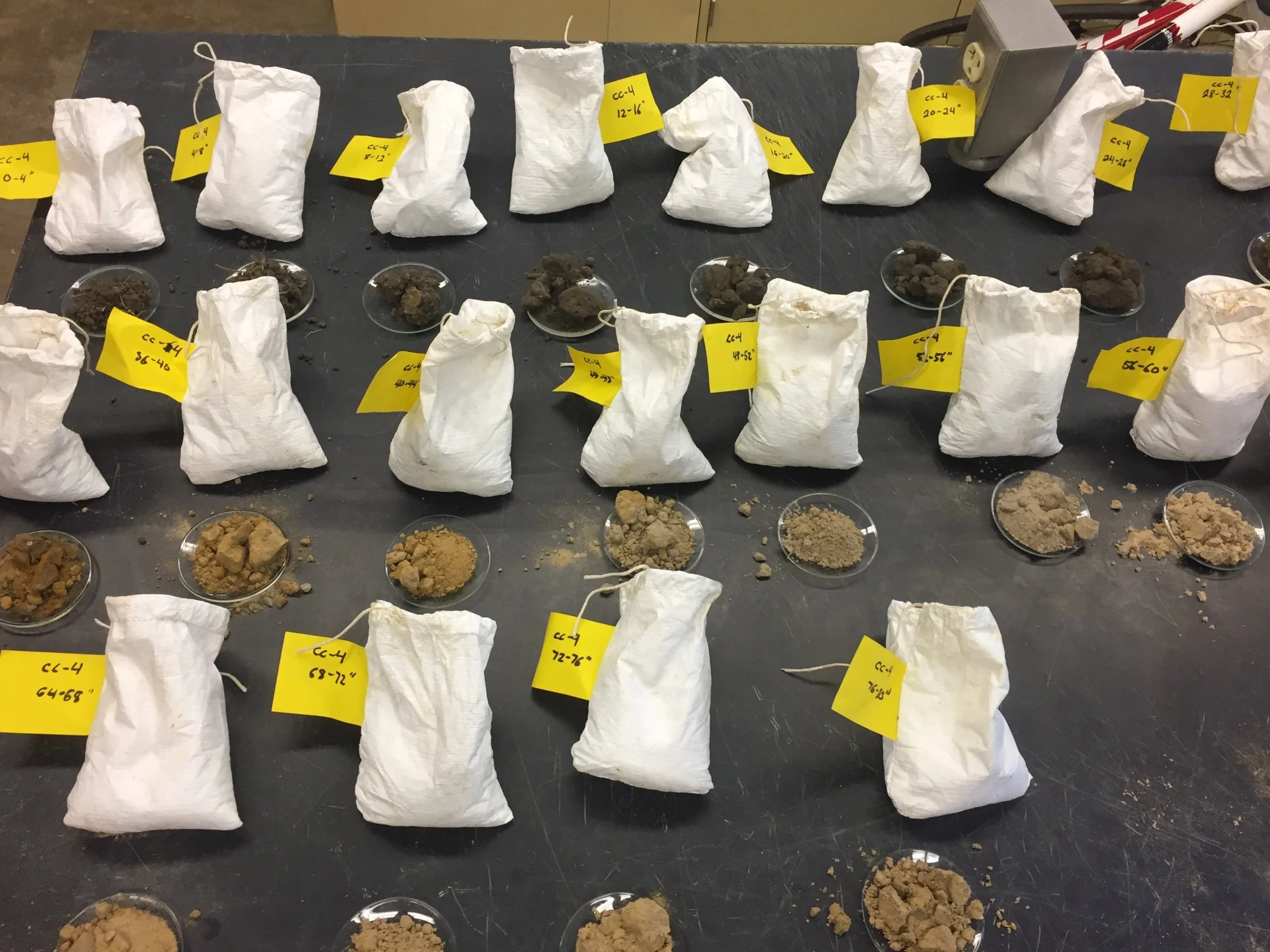
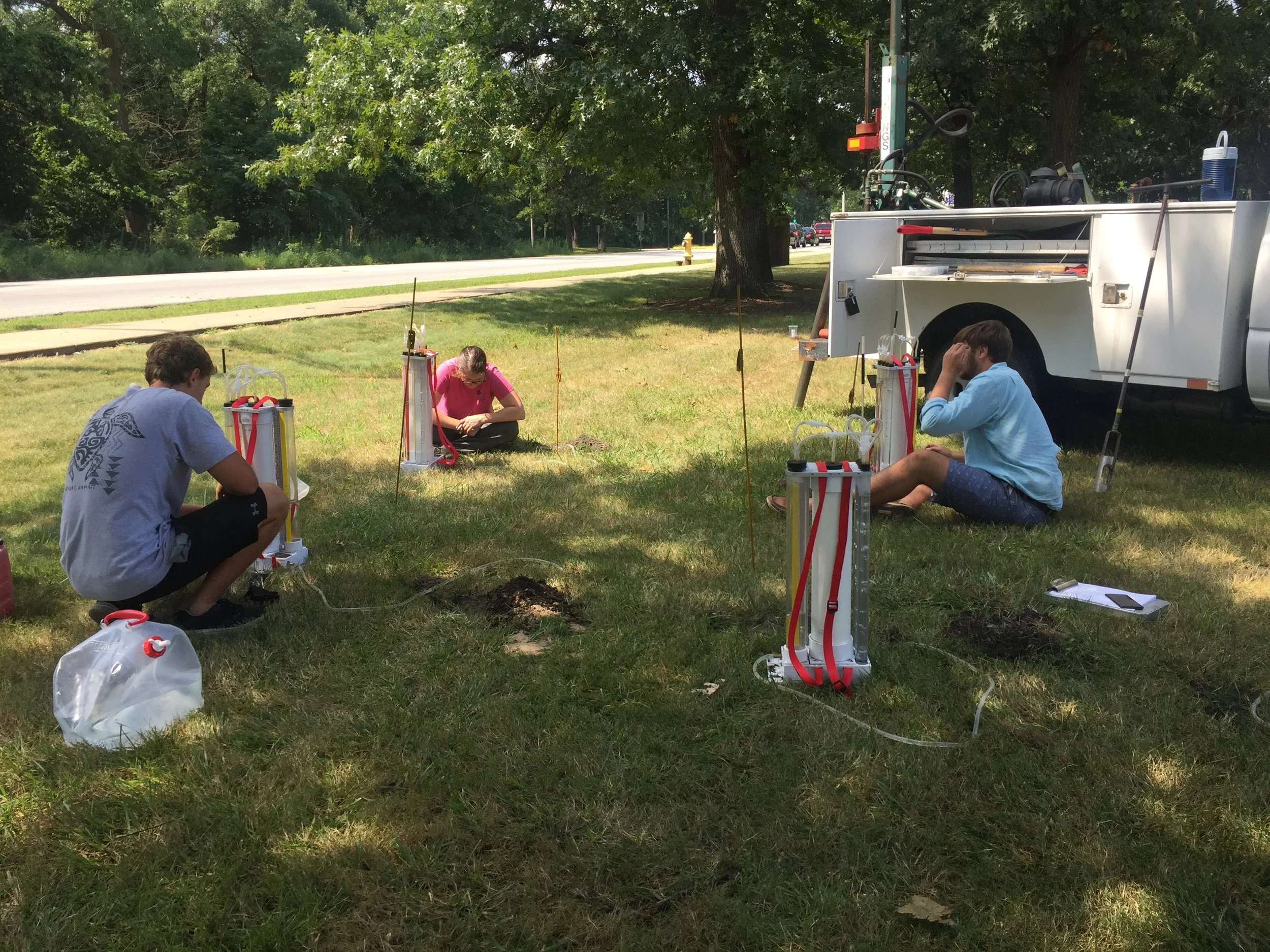
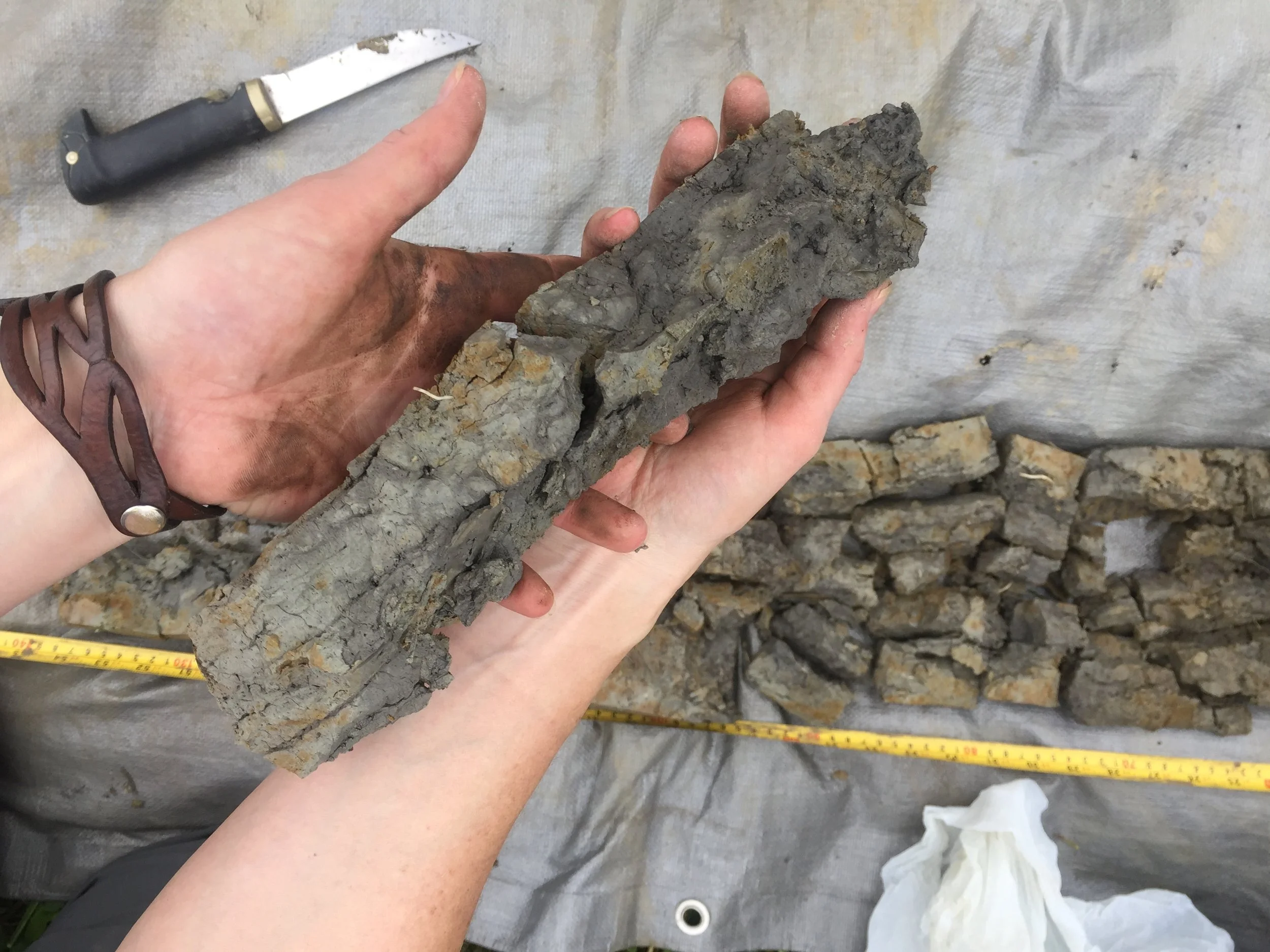
Below we share a few soil field investigation images.